In General
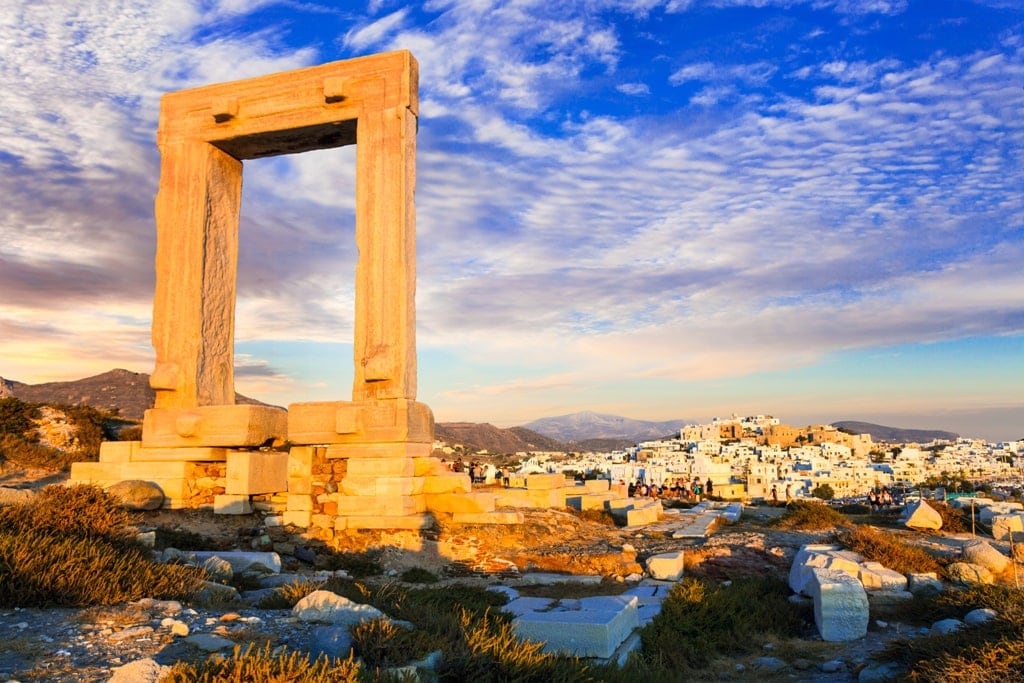
Naxos offers wonderful routes to explore because its landscape is varied, offering stunning views that fascinate the nature lovers. High mountains, fertile valleys, plateaus, springs, rivers, caves, huge beaches, sand dunes with cedar trees growing on them, all existing harmoniously on this small piece of earth.
For those of you who are interested in the past and in the history, the historic value of the monuments of Naxos is impressive. The civilisations of ancient Greece, Byzantium, and the venetian era imprinted their mark heavily on the island’s identity. Perhaps nowhere else in the world, there are so many important monuments from so many different periods in history, on such a small piece of earth.
In Naxos there are about 30 larger and smaller villages, mostly hidden in the inland, whose inhabitants maintain the old way of life, offering the traveller unique images. We would like to suggest some destinations, but you will certainly discover much more on your own!
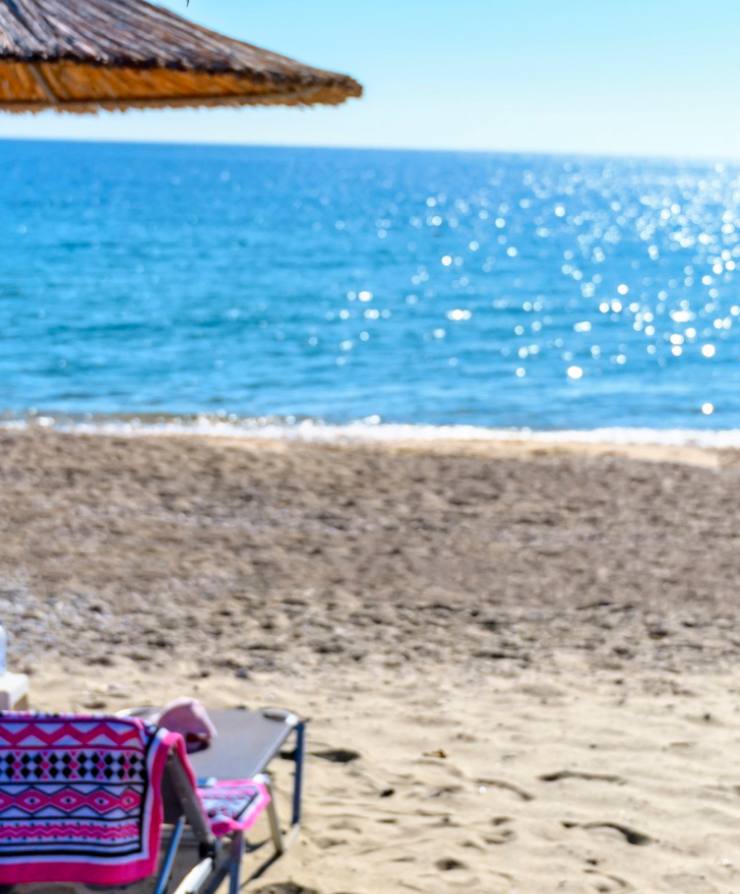
A famous and well set up tourist resort, with all kinds of shops to suit the needs of the holidaymakers. The sea is crystal clear and kilometres of sandy beach hug the sheltered bay. Facilities for water sports are available. An important land mark is the salt lake, “the red lake“, with herons often standing on its banks. Enjoy Agios Prokopios beach staying in Villa Andromeda.
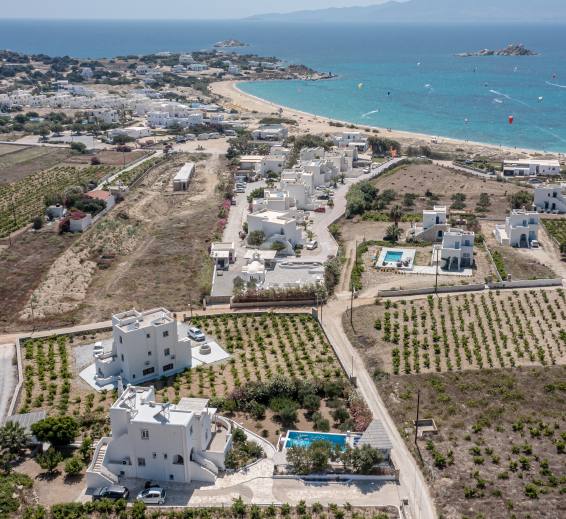
The beach is made up of two sandy bays, Mikri Vigla and Parthenos, separated by the rock of Mikri Vigla. Parthenos is popular for windsurfing. Hotels, rooms, and tavernas are nearby. Enjoy Mikri Vigla beach staying in Villa Tucana.
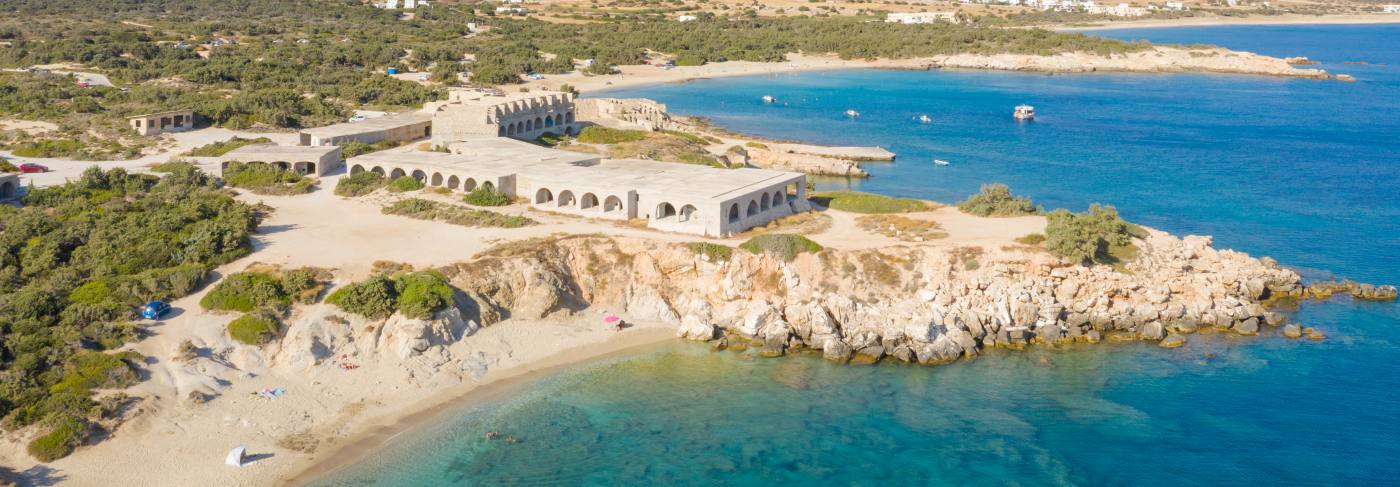
A magical sandy beach with sand dunes and clusters of cedar trees providing shade. Perfect for relaxation away from crowds. Some tavernas are available nearby.
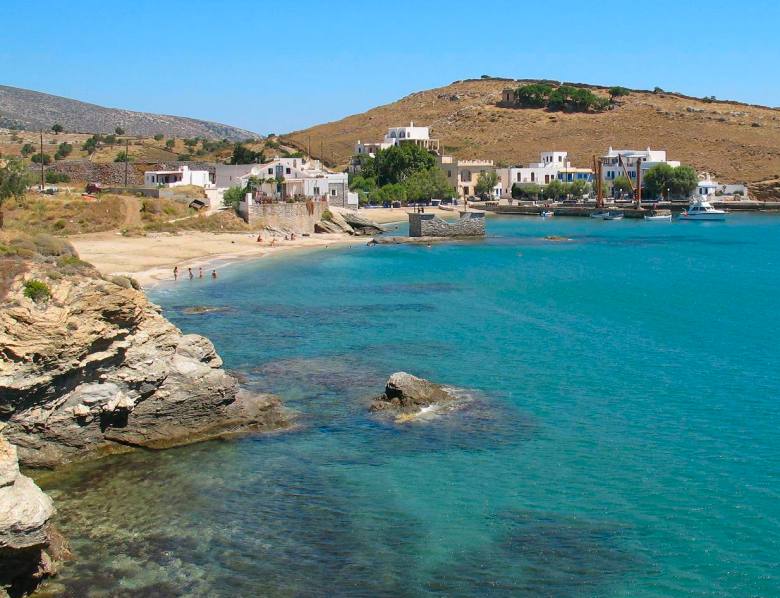
A pretty seaside settlement, with beautiful sandy beaches, rooms to let and attractive tavernas right on the beach. The road to Moutsouna starts from Apeiranthos and leads to Psili Ammos and Panormos.
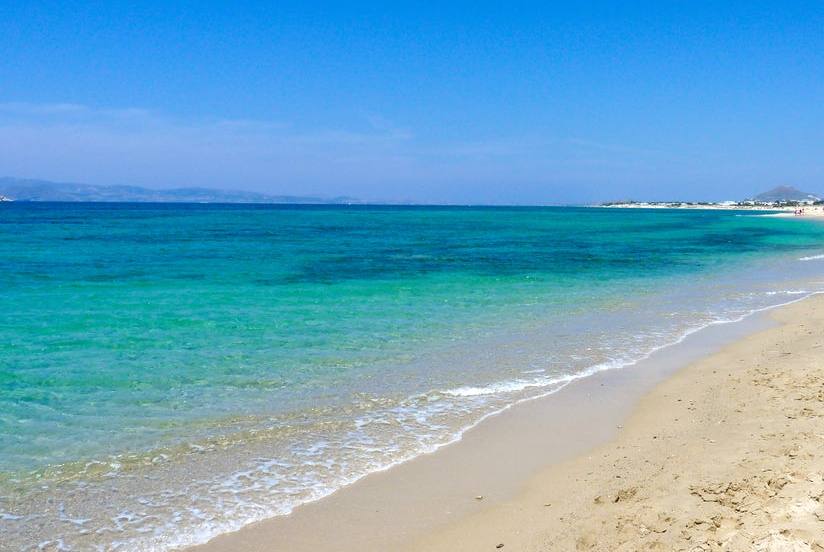
A sandy beach several kilometres long. There are several hotels, rooms, tavernas and bars along the beach. Until the beginning of the 80’s Plaka was popular with the “hippies”.
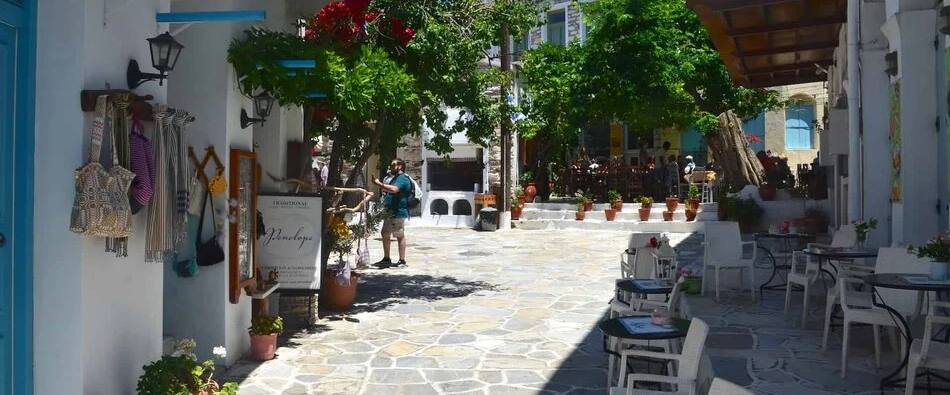
It is situated in the centre of Naxos, in the plain of Tragea, the richest and most fertile area of the island. In Halki, the beautifulold mansions are evidence of the prosperity of the village in previous centuries. Monuments, which are worth a visit, are: the church of Panagia Protothoni (9th – 10th century) and the church of Agios Georgios Diasoritis (11th century), the Venetian towers Gratsia and Markopoliti and the traditional citron distillery near to the central square
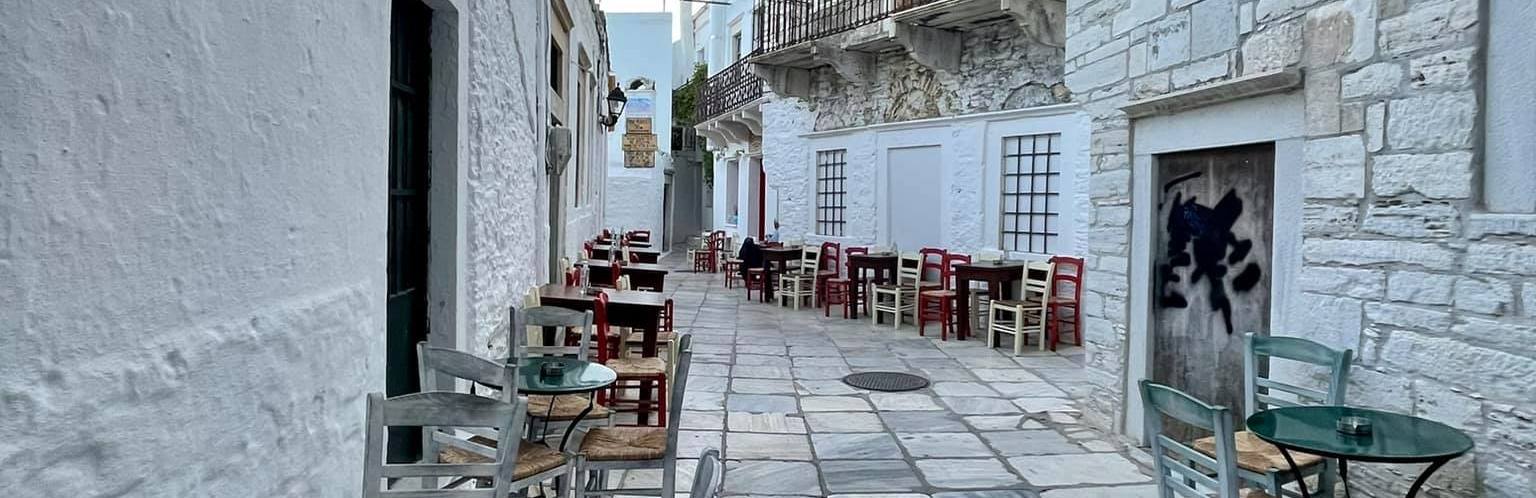
It is built in the heart of the mountain area of Naxos, at the foot of Mount Fanari, between two valleys, with vineyards and orchards. It is called “the marble village“. Narrow marble paved mule tracks, often covered by archways, Venetian defence towers, stone houses with the same kind of architectural details and small squares. The three museums in Apeiranthos are well worth a visit (the archaeological, geological and folk museums).
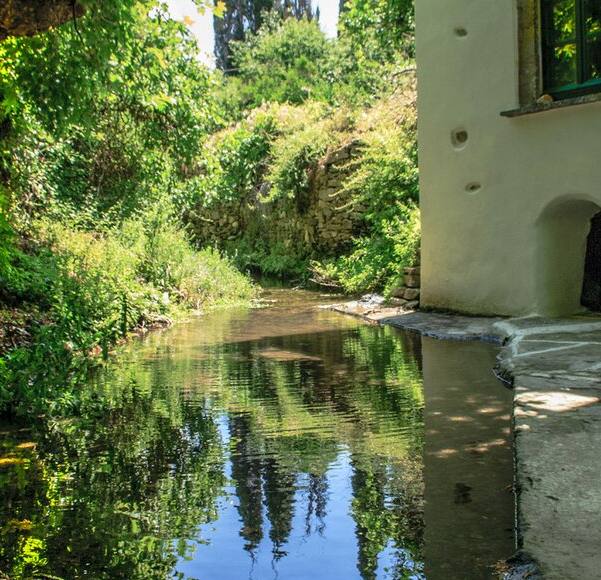
Composed of Ano-, Mesi- and Kato Potamia villages, along a lush green valley with fruit orchards. Old windmills add charm, ideal for walking.
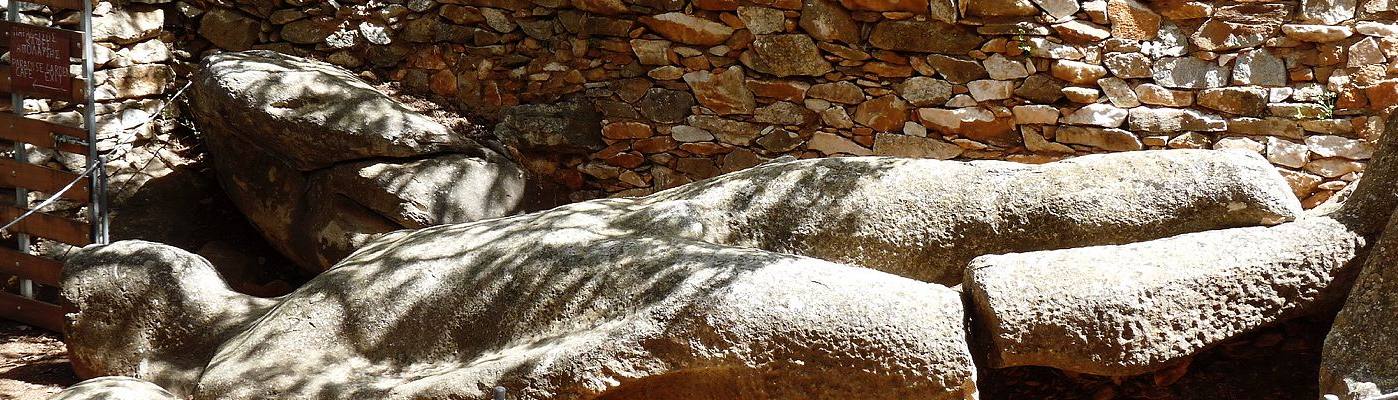
At Flerio, near Melanes, there is a half finished male statue (Kouros) left lying in an olive grove, dating back to the 7th century B.C., 6.4 metres tall.
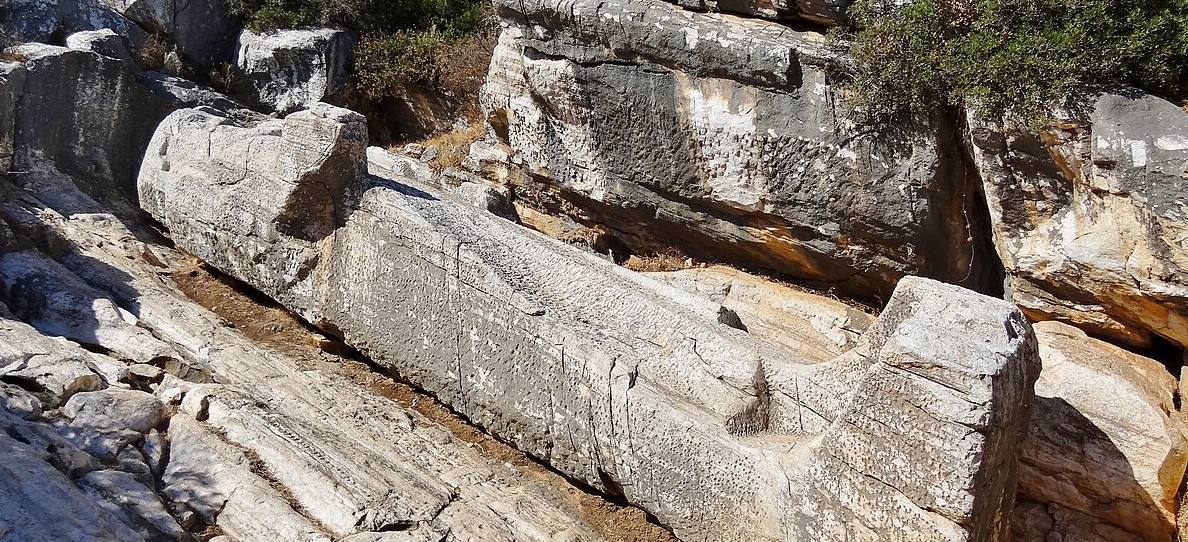
Near Apollonas village, an unfinished Kouros lies at an ancient quarry, 10.45 metres high, from early 6th century B.C., likely dedicated to Dionysus.
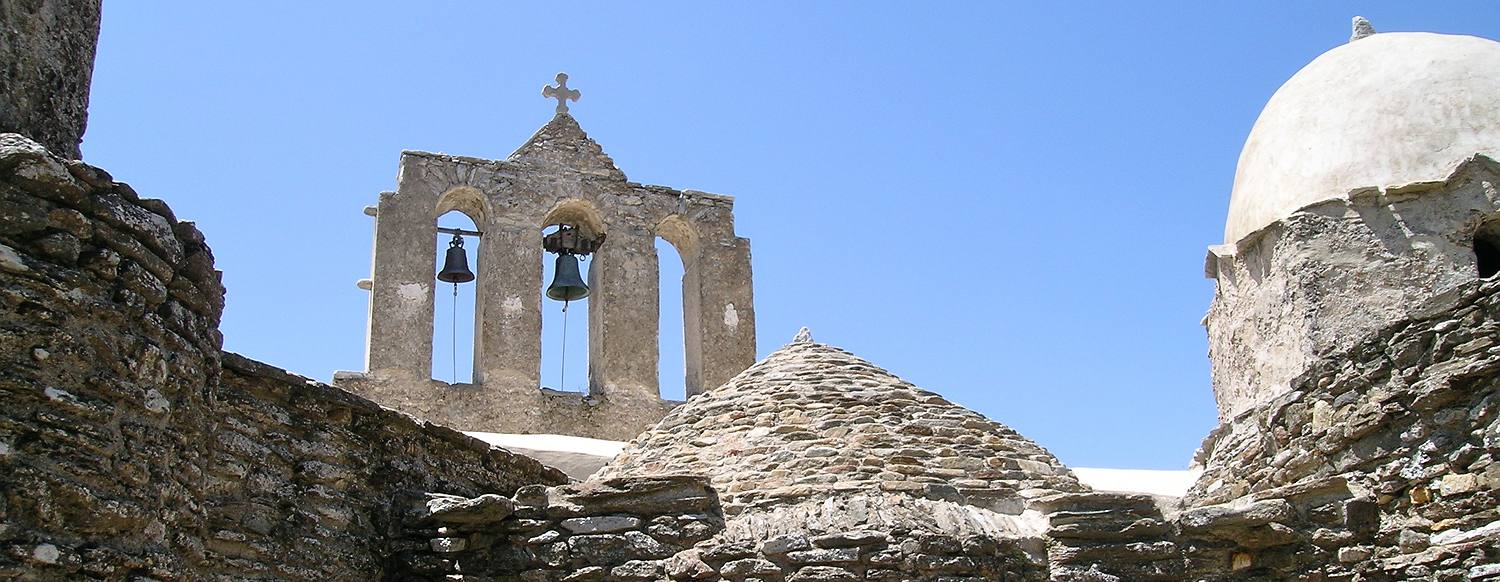
Near Moni village, one of the best-preserved early Christian monuments in SE Europe, with frescoes dating from the 7th century.
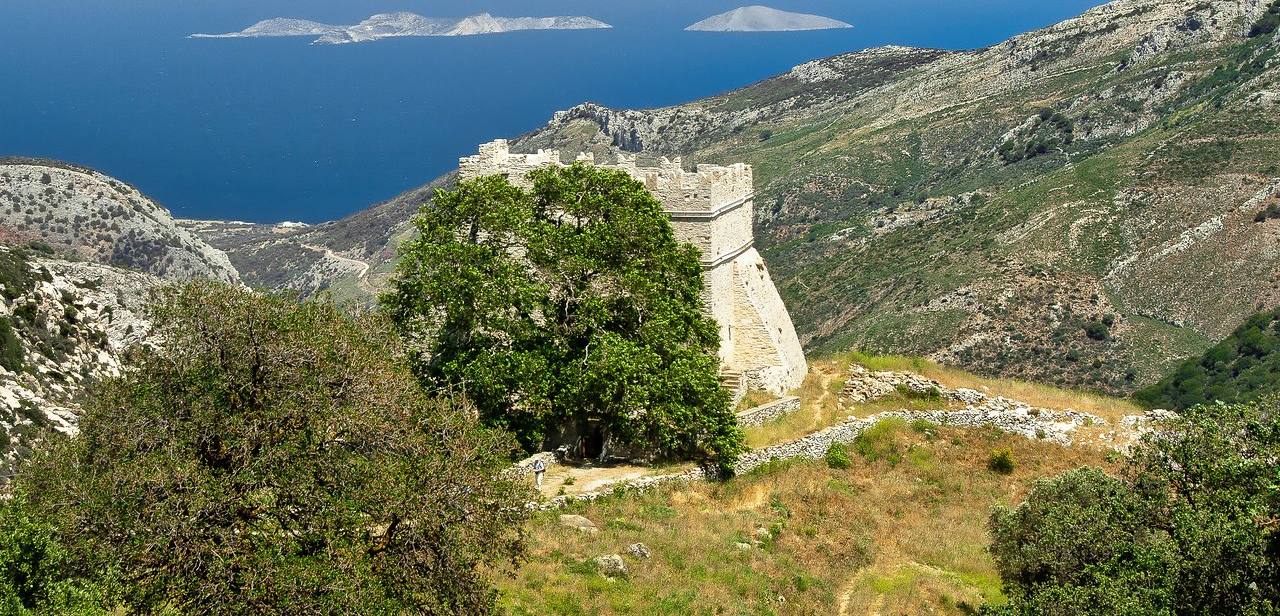
Outside Danakos village, on Mount Zas slopes. Dates from the 9th century. Local legends link it to Byzantine Empress Irene.
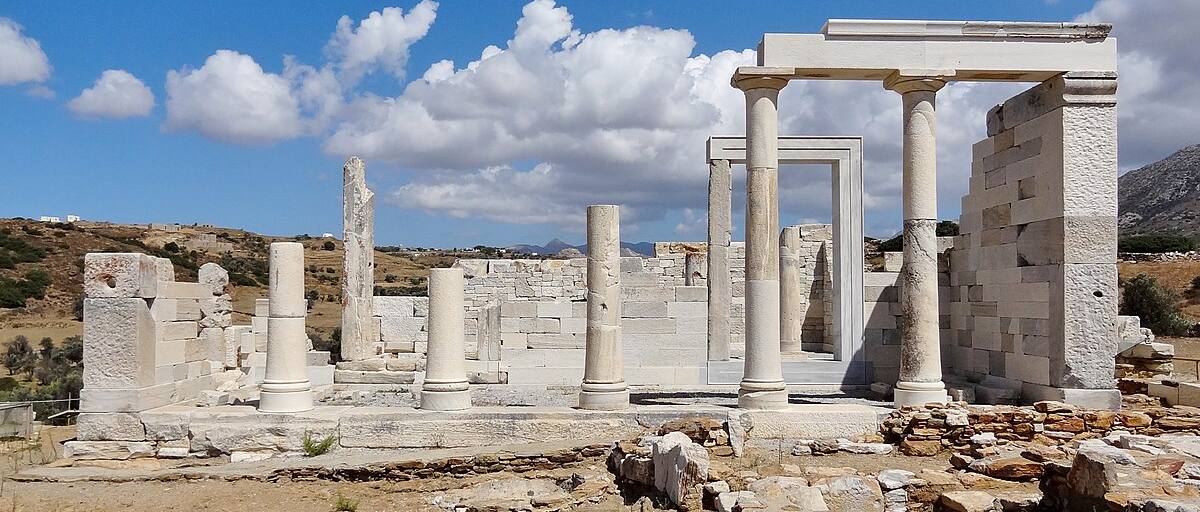
The Sanctuary of Giroulas near Sangri, dedicated to Goddess Demeter. Built entirely out of white marble around 530 B.C. Fully restored with a museum.